Traditional outdoor security can mean trenches, battery maintenance and nuisance alarms.
Running signal cable around a landscaped garden, driveway or finished stone wall can create disruptive civil work. Battery-operated sensors add service visits, while motion sensors can react to environmental movement.
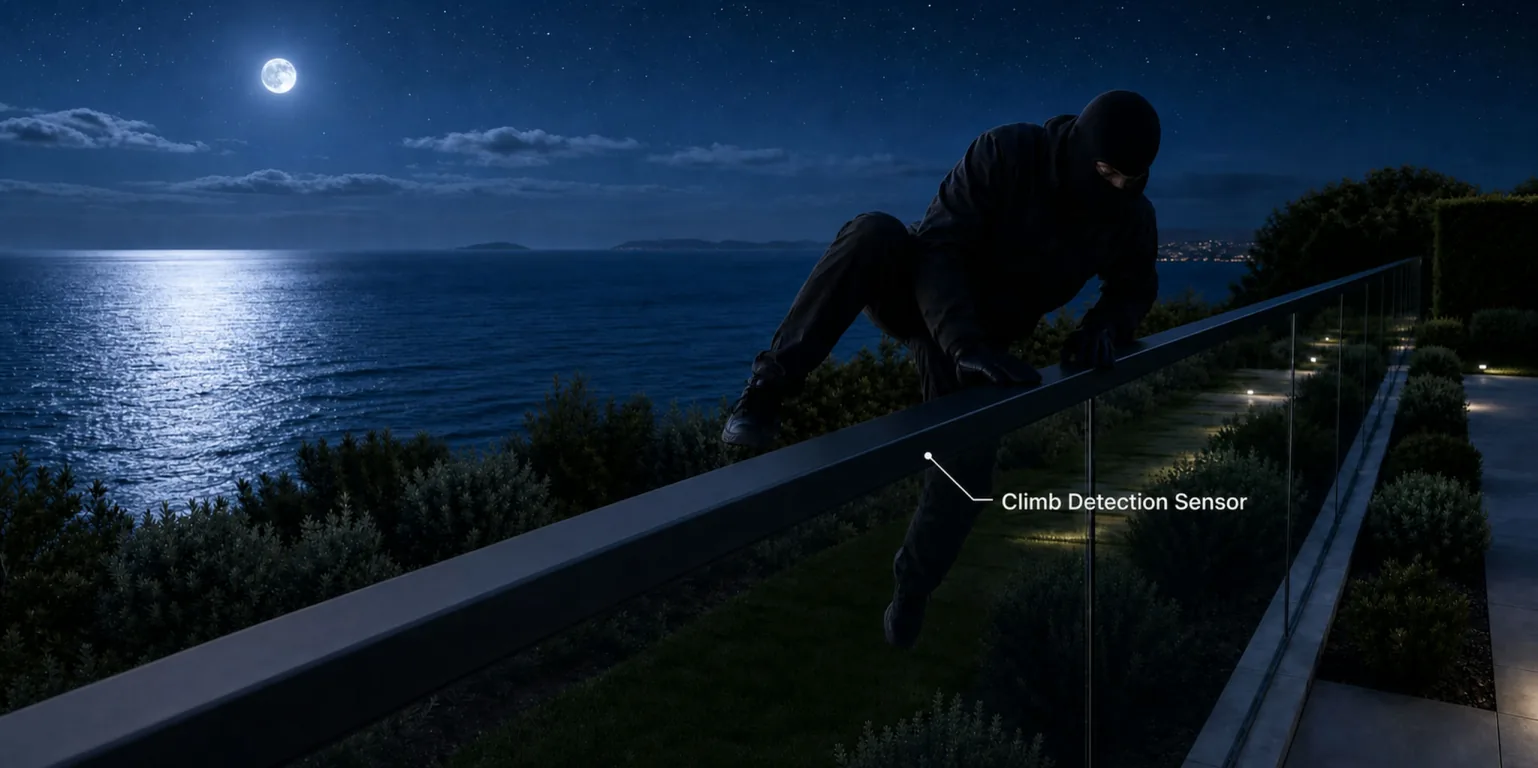
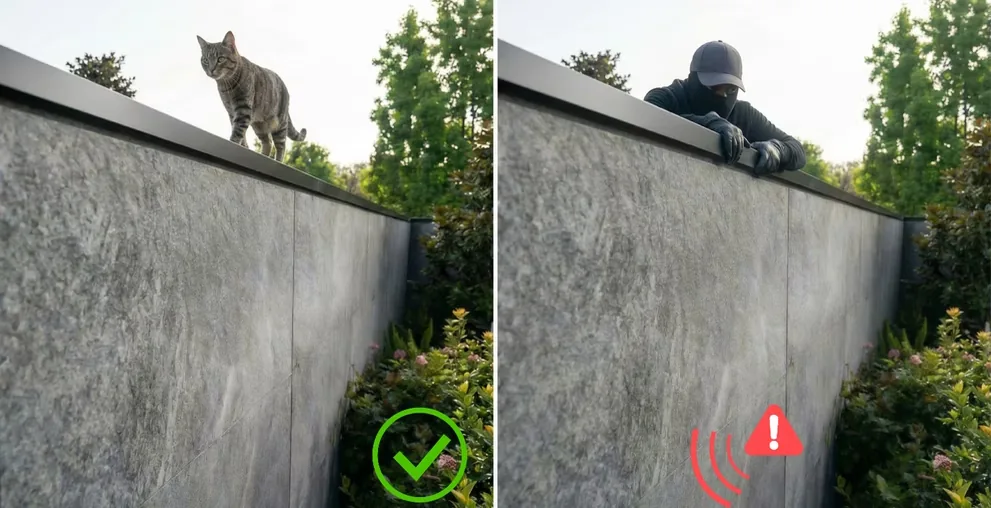
Apeiron Guard monitors physical climb pressure at the wall, fence, gate or glass edge. The battery-free sensor powers its own wireless event for an earlier local alarm and mobile notification.
We detect climb-over attempts before the home is reached.Pressure-triggered detection turns the perimeter itself into the first warning layer, before doors and windows become the final line of defense.
Three sensor types · four key applications
One perimeter platform for villas, village houses, commercial yards, and ELV upgrades.
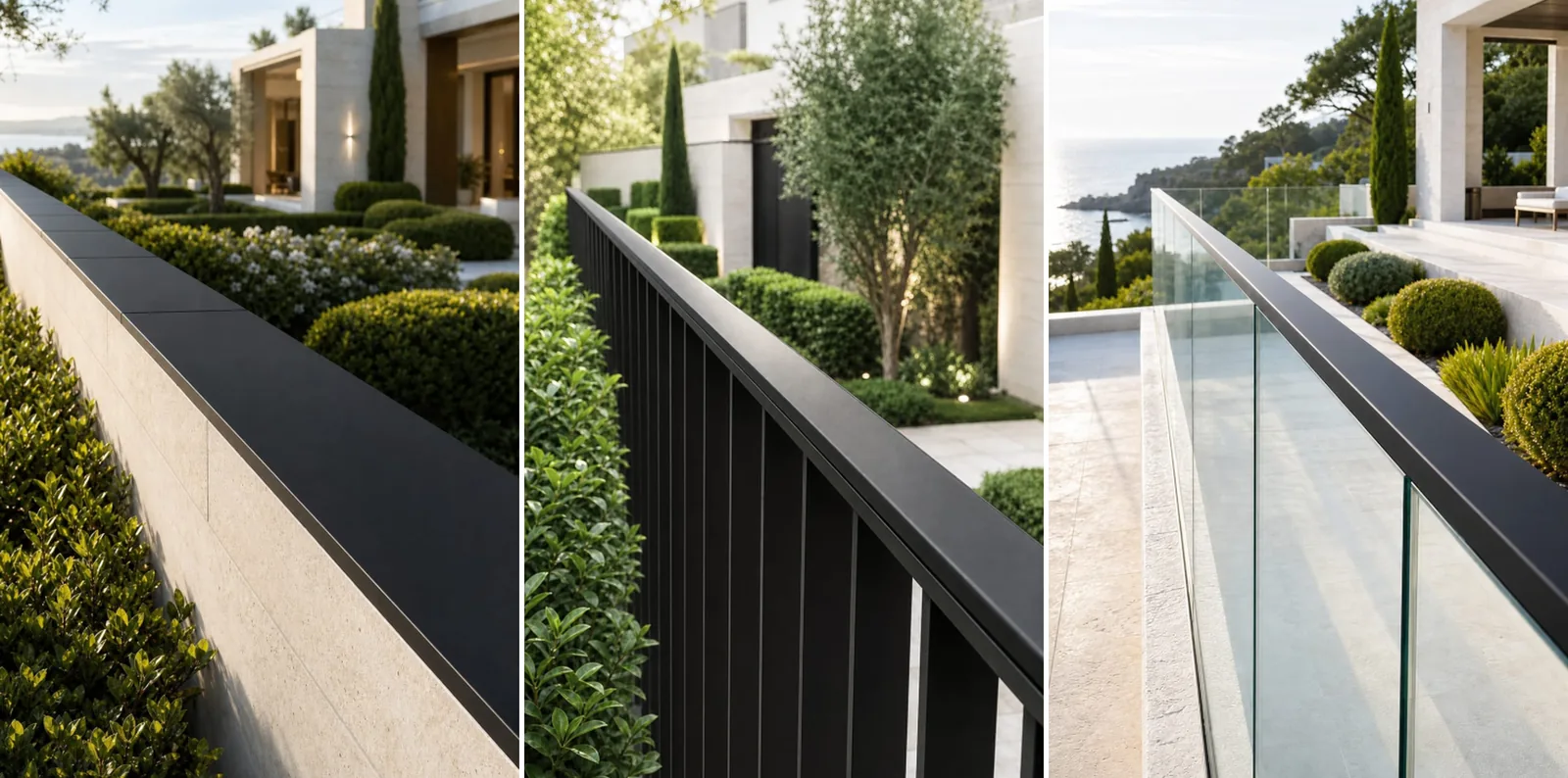
Match Wall-Top, Fence-Top, and Glass Balustrade Sensors to the protected boundary, then connect each zone to an Apeiron Guard hub or compatible alarm system.
Three perimeter surfaces, one battery-free climb detection principle.
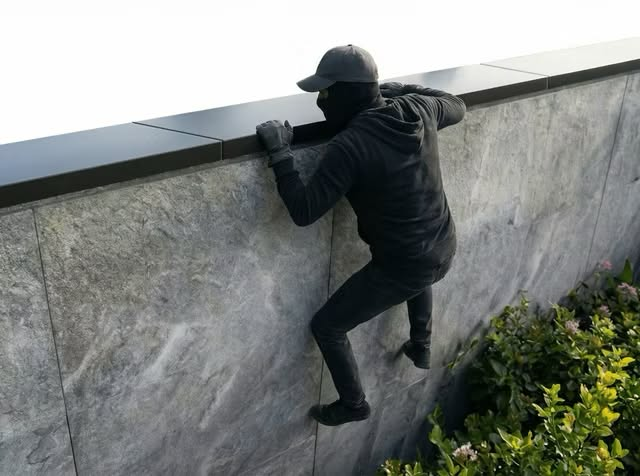
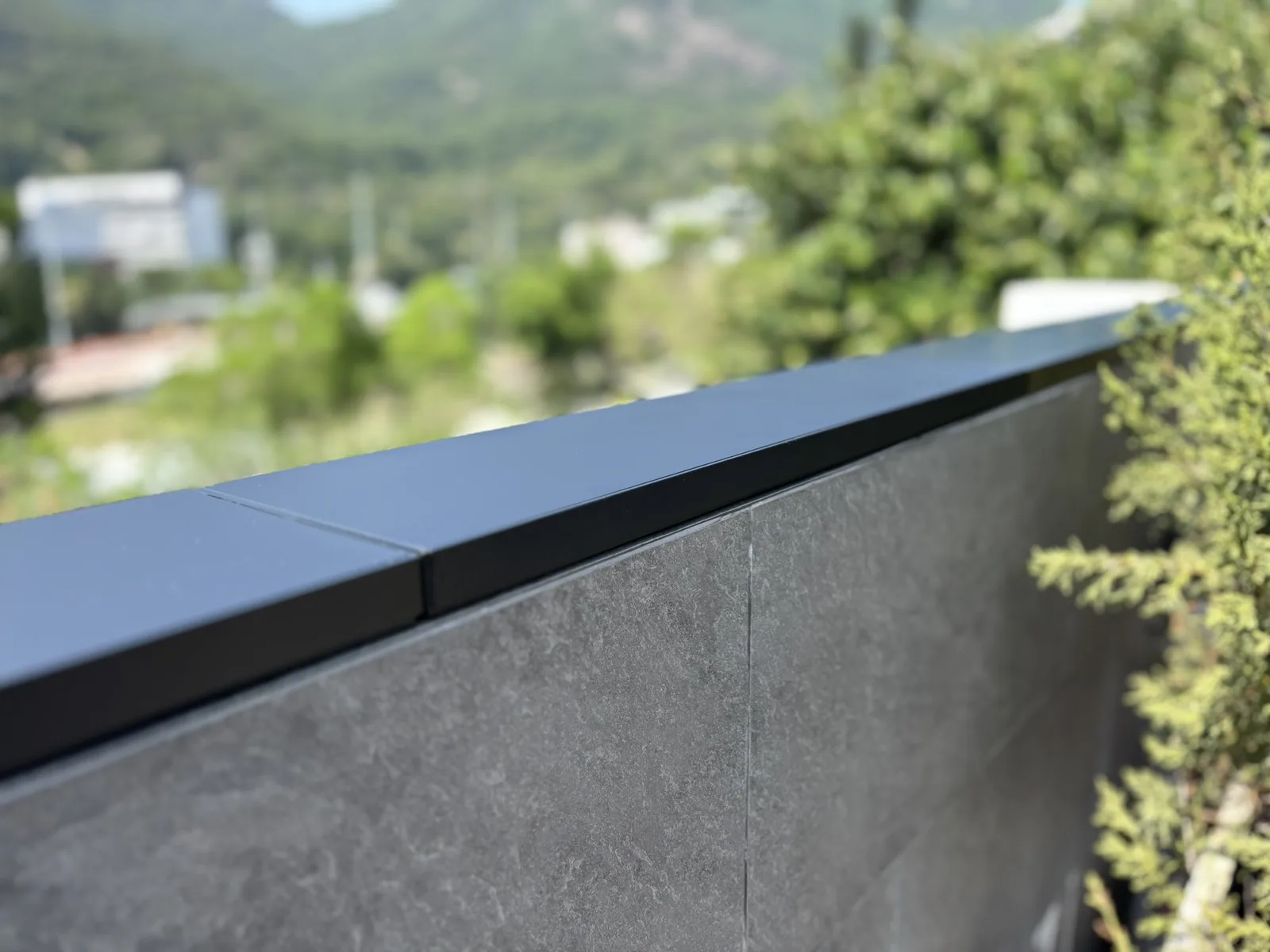
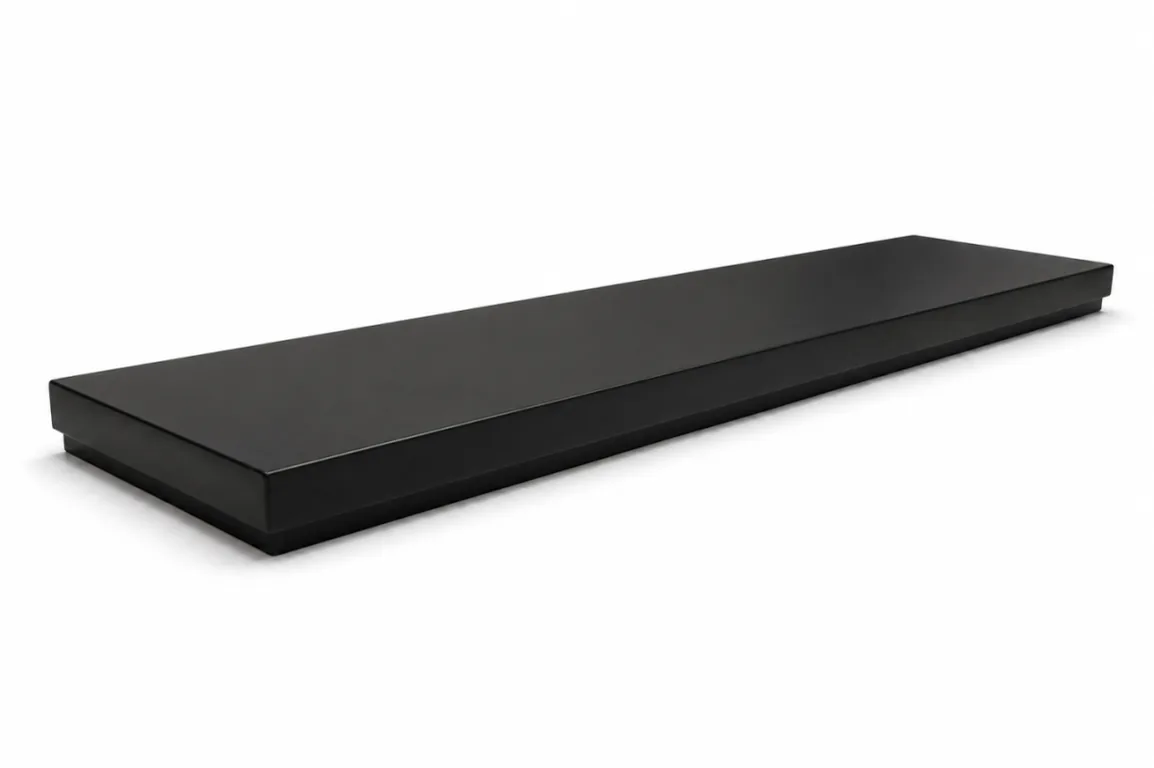
Wall-top Sensor
For detached villas and private estates, providing early intrusion detection along boundary walls before doors or windows are reached.
Detached Villas & Private Estates
Village Houses & Rural Properties
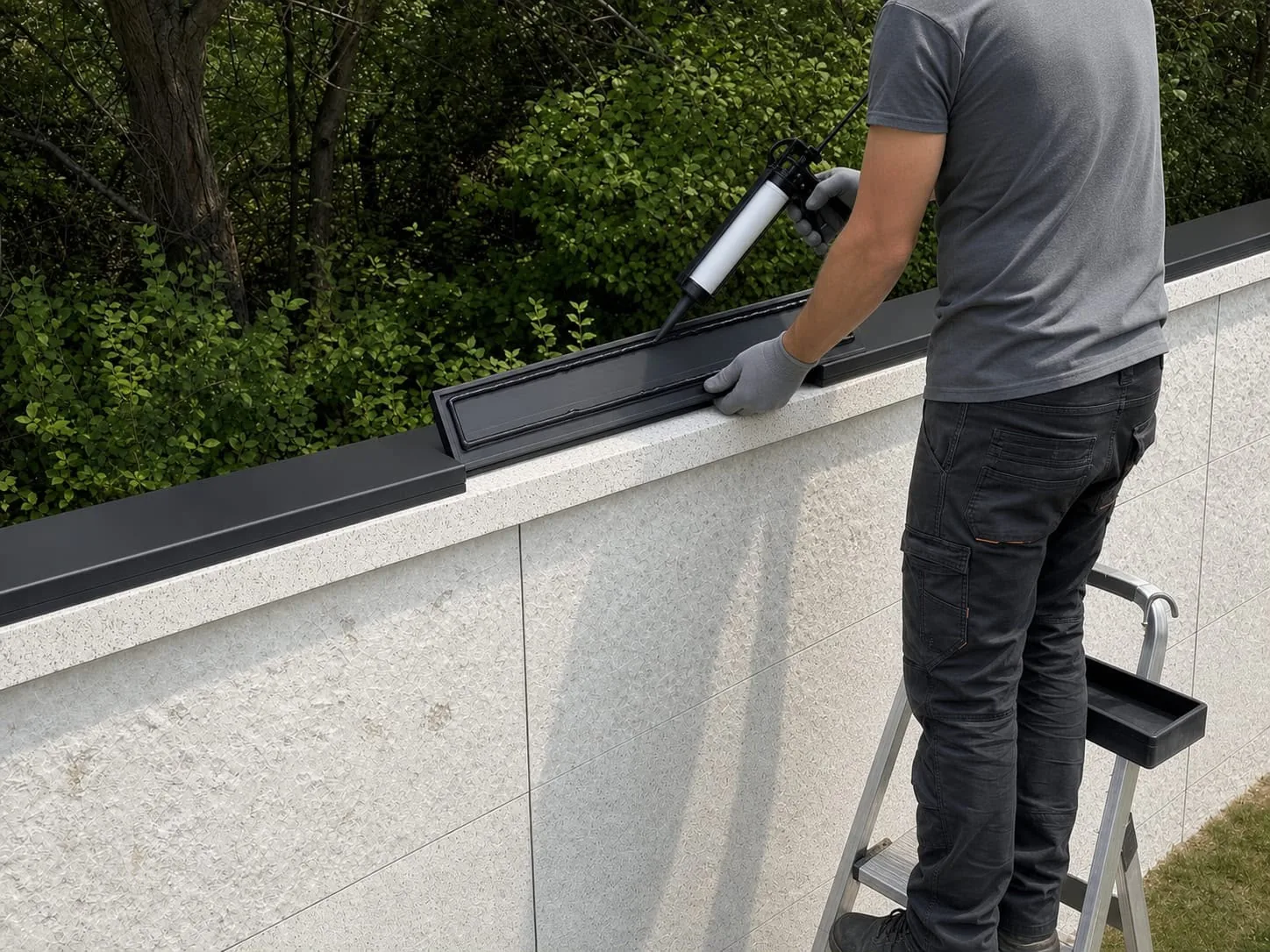
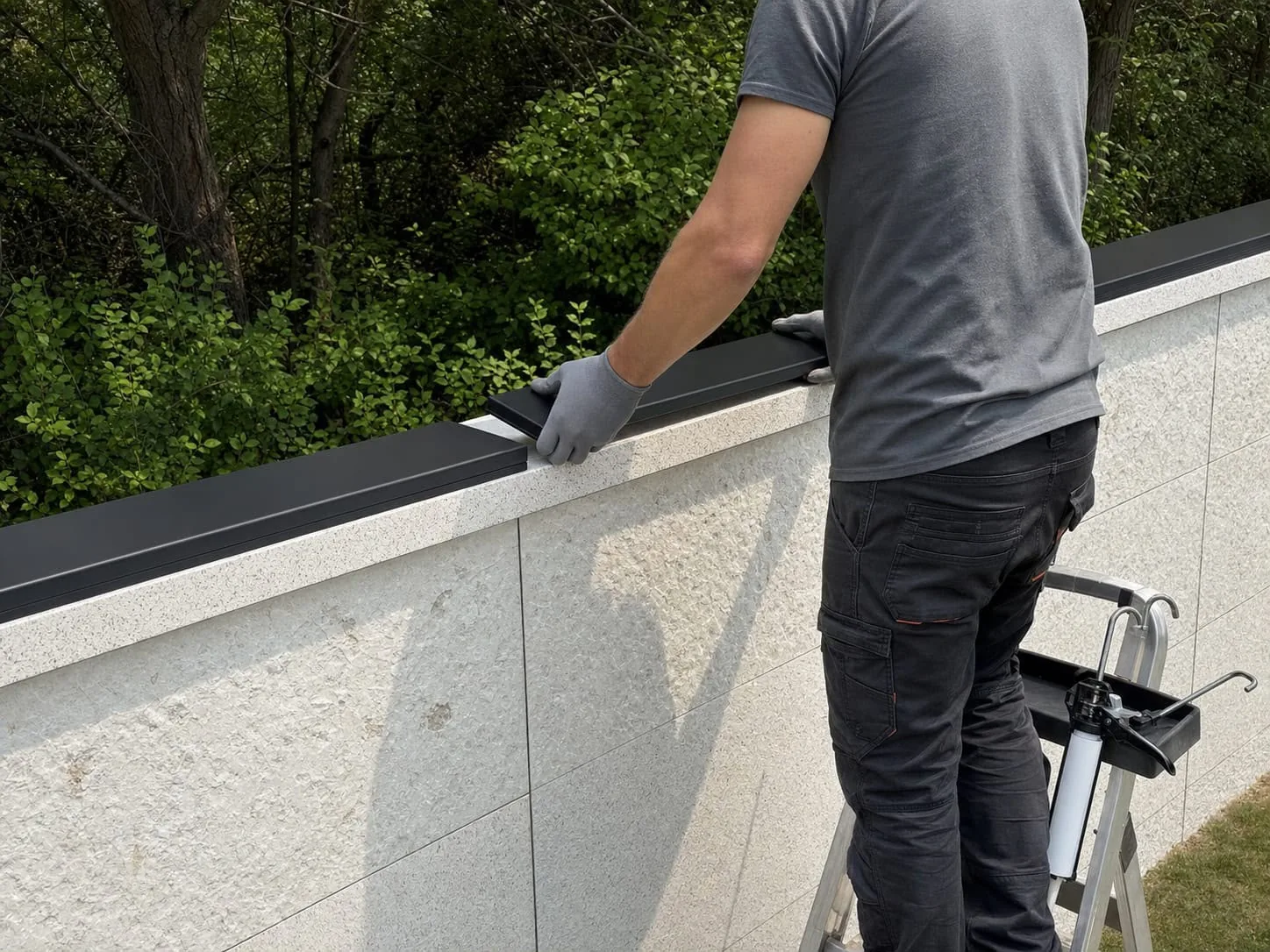
Rapid retrofit on compatible flat wall tops
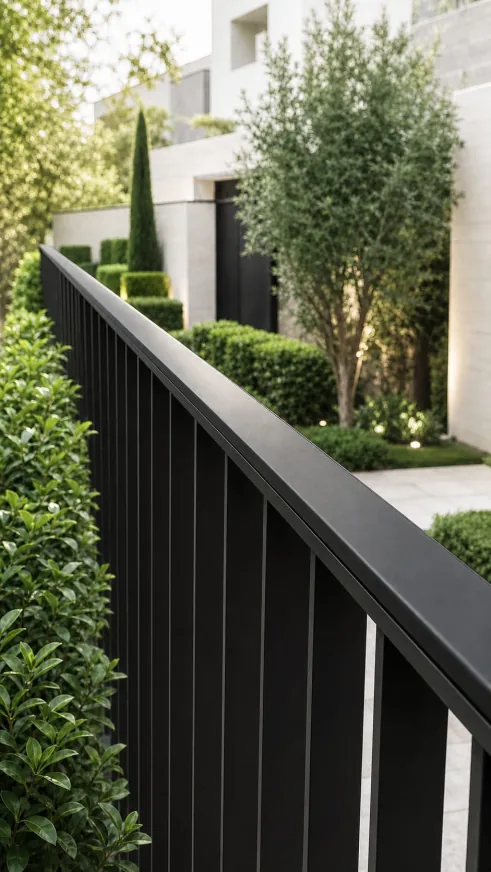
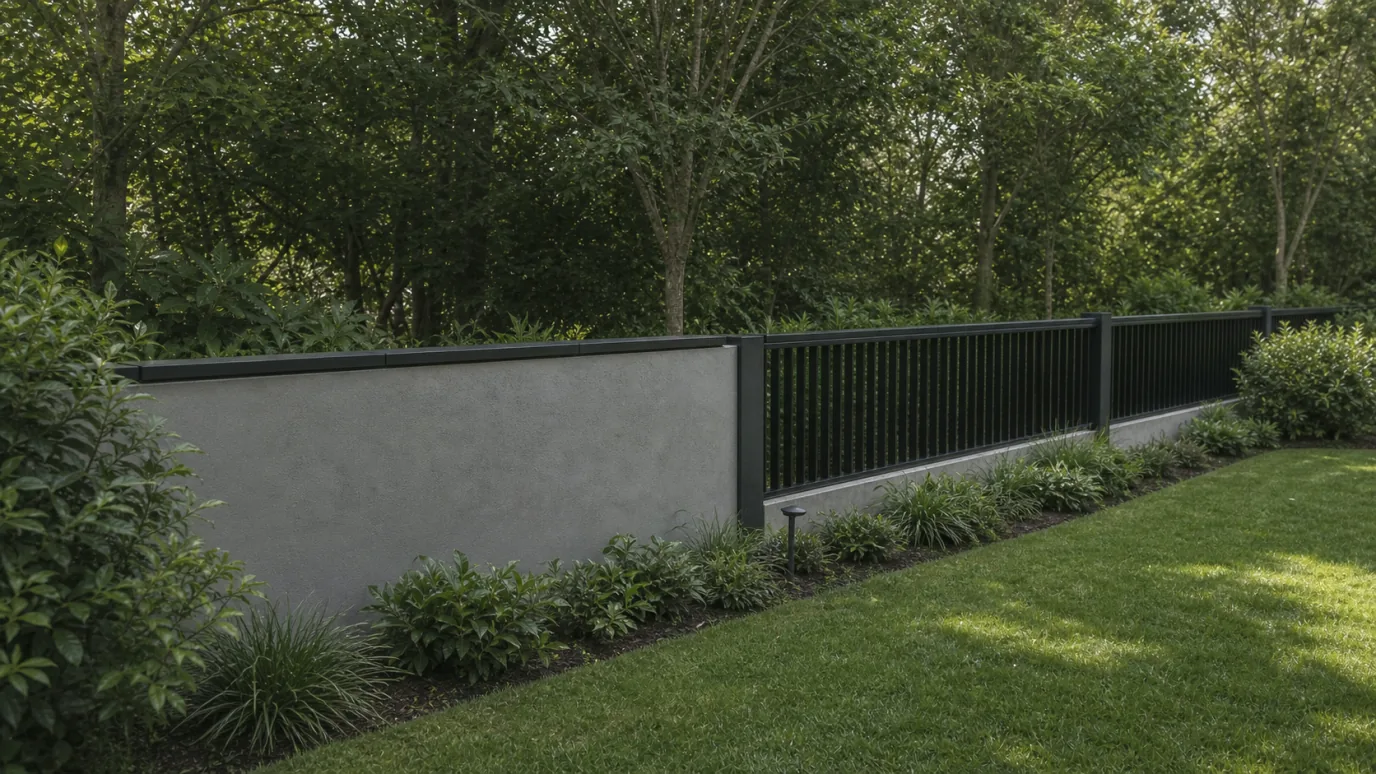
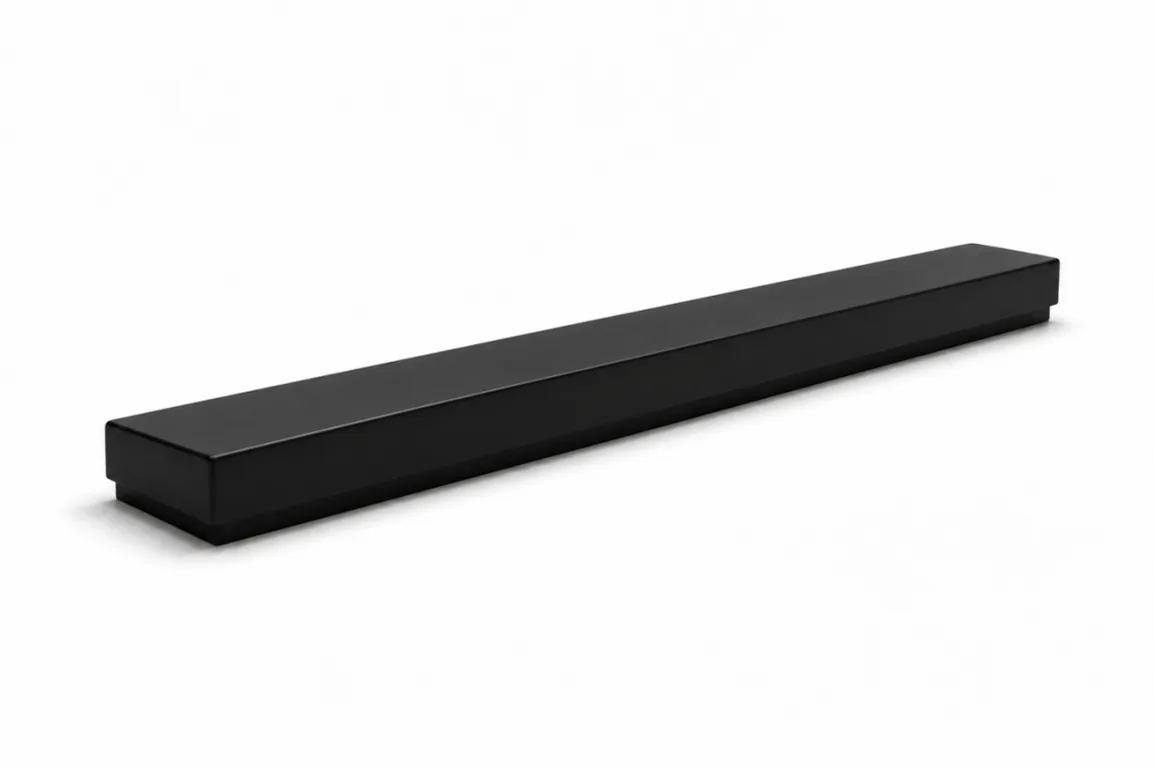
Fence-top Sensor
For village-house boundaries, logistics yards, commercial fences, and equipment perimeters where a climb attempt applies force across the top edge.
Logistics Yards & Commercial Perimeters
Wireless protection without sensor-cable trenching
Useful for exposed rear and hill-facing boundaries
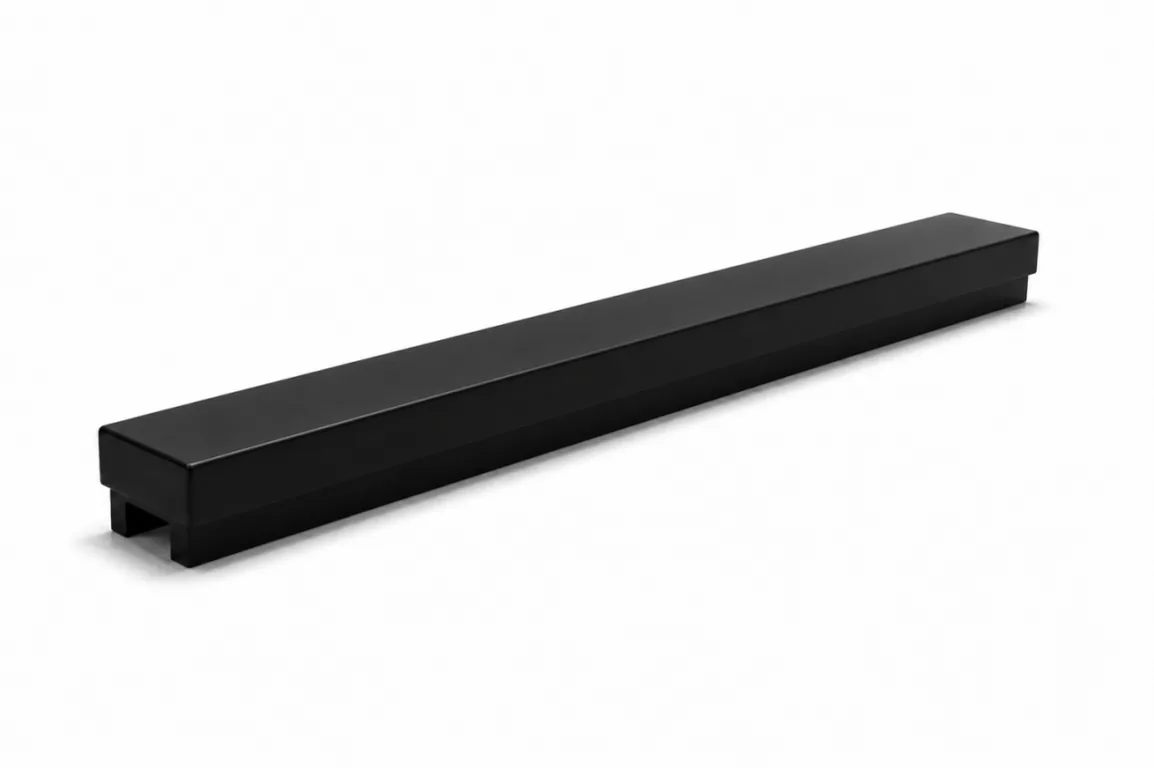
Glass Balustrade Sensor
For premium villas, private estates, and modern developments where transparent perimeter edges require discreet early intrusion detection.
Designed for modern glass environments
Preserves clean architectural appearance
Supports early exterior alerting
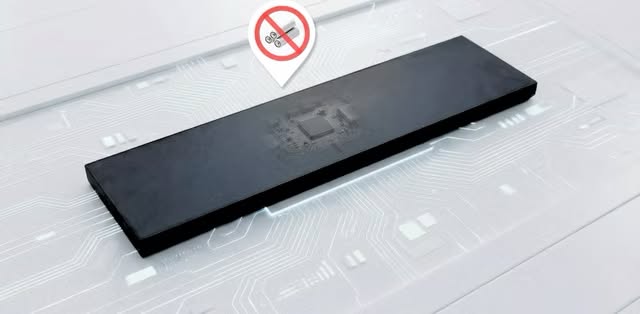
Patented battery-free signal architecture
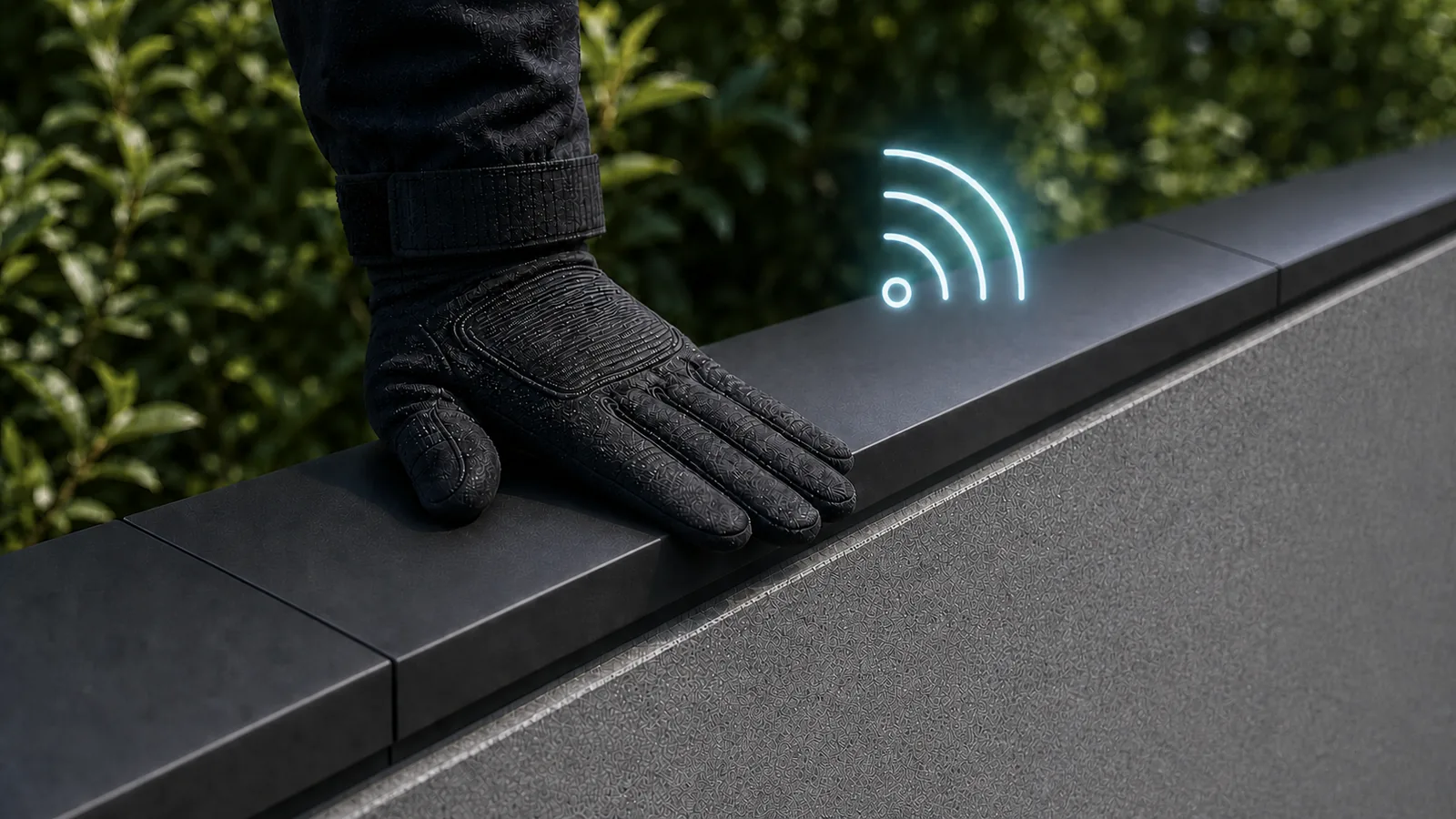
The climbing pressure becomes the power source for the alert.
No replaceable sensor battery and no signal cable along the protected boundary. The physical trigger generates the energy needed for wireless transmission.
01
Pressure is applied
An intruder tries to climb over the protected wall, fence, gate or glass edge.
02
Energy is harvested
The sensor converts the mechanical pressure event into the electrical pulse needed for transmission.
03
Wireless signal is sent
The alarm hub receives the alert without perimeter wiring or a replaceable sensor battery.
04
Siren and app alert
The system can trigger immediate local deterrence and send a real-time notification to the mobile app.
ELV & System Integrator Upgrades
Protect long outdoor boundaries and connect them to existing alarm infrastructure.
Apeiron Guard helps ELV contractors and security installers retrofit villas, estates, and commercial perimeters without routing sensor signal cable through lawns, driveways, or stone walls. Compatible wireless I/O modules provide NC, COM, and NO dry-contact output for integration with existing alarm panels or control systems.
Detached Villas & Private EstatesDetect climb pressure along walls and fence lines before doors or windows are reached.
Village Houses & Rural PropertiesRetrofit exposed rear walls and hill-facing perimeters without external sensor-signal conduit along the protected edge.
ELV & System Integrator UpgradesUse dry-contact output to connect compatible alarm panels and control systems; CCTV response can follow the connected system design.
Three perimeter protection advantages
No trenching. No sensor batteries. Built for exposed outdoor environments.
Apeiron Guard combines clean retrofit installation, kinetic energy harvesting, and pressure-based outdoor detection for villas, gardens, gates, and estate perimeters.
010203
01
Zero Cable Trenching
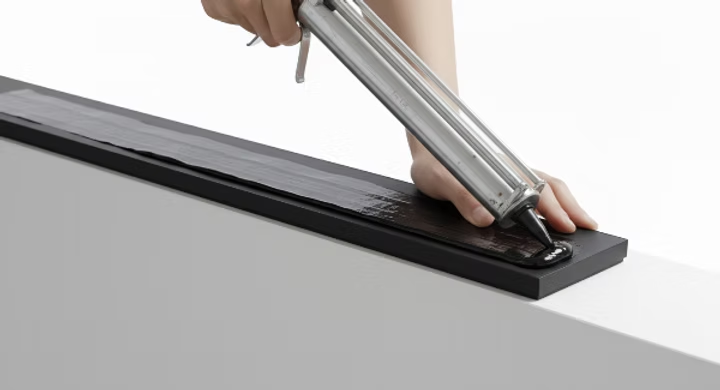
No invasive digging for sensor signal cable across manicured lawns, gardens, or paved driveways. Surface installation supports fast, lower-disruption retrofits on compatible fences, gates, and stone walls.
02
100% Battery-Free
Kinetic micro-energy harvesting powers the wireless sensor event when triggered, eliminating routine outdoor sensor-battery replacement and the ladder access it can require.
03
All-Weather Weatherproof
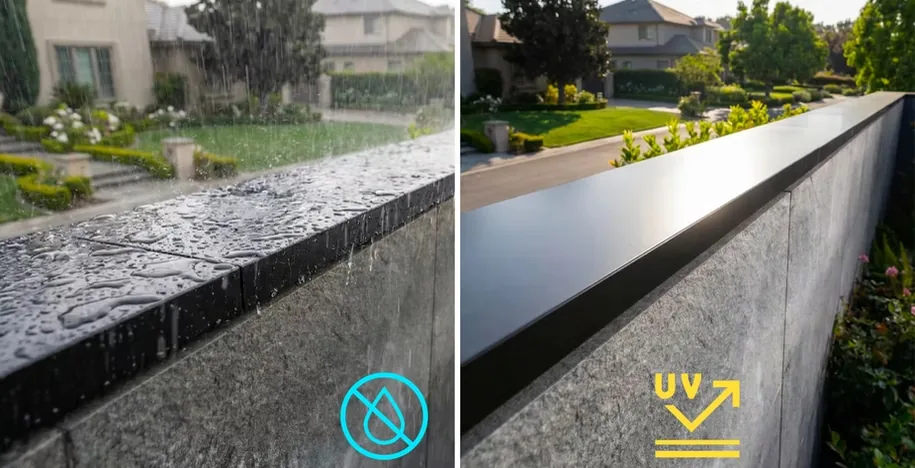
IP55-rated FRP housing is designed for humidity and exposed outdoor conditions. Pressure-based activation helps reduce nuisance alarms from wind movement, rain impact, leaves, and small animals.
From perimeter event to real-time response
A climb attempt becomes a wireless security event in seconds.
The Climb Detection Sensor series is designed as the outer perimeter layer of the Apeiron Guard ecosystem, connecting physical pressure at the boundary to alarm hub response and mobile app awareness.
Mechanical pressure generates the energy pulse for transmission.
03Alarm Hub + Alert
Wireless signal is received by the local security system.
04App Alert
Immediate deterrence and real-time notification support fast response.
Mini alarm hub + app
Turn climb attempts into instant local and mobile alerts.
The Mini Alarm Hub receives wireless events from Wall-Top, Fence-Top and Glass Balustrade Sensors, sounds an immediate alarm and sends the affected perimeter zone into the Apeiron Guard app workflow.
30sensors per mini alarm hub
24/7real-time perimeter alerts
Product detail
Full specifications for the Climb Detection Sensor series.
Battery-free wireless perimeter hardware, designed for outdoor retrofit installation and long-term exposed use.
Traditional perimeter systems add cabling and battery maintenance. Apeiron Guard removes both from the sensor run.
Typical battery sensor
Battery replacement schedule
Signal-cable routing across finished areas
Risk of dead battery blind spots
Harder to scale across long perimeters
Apeiron Guard climb detection
Battery-free wireless triggering
Pressure-powered signal event
Cleaner installation with less wiring
Designed for perimeter-wide protection
FAQ
Clear answers for outdoor perimeter security projects.
Use these answers to understand where the sensor fits, how the battery-free trigger works, and why early perimeter detection helps protect homes before an intruder reaches doors or windows.
What is a wall top climb detection sensor?
It is a perimeter security sensor installed along the top of a wall to detect a climb-over attempt before the person reaches doors, windows or interior areas.
How does the battery-free sensor work?
When climbing pressure is applied, the sensor harvests enough energy from the mechanical action to transmit a wireless security signal to the alarm hub.
Where can the climb detection sensor be installed?
The series is designed for perimeter walls, fences, gates and glass balustrades, with separate Wall-top Sensor, Fence-top Sensor and Glass Balustrade Sensor categories.
Does the perimeter sensor require trenching or battery replacement?
The sensor is battery-free and transmits wirelessly, so the protected perimeter needs no sensor signal cable or routine sensor-battery replacement. The hub and wider system still require their specified installation.
What alert does the system send?
The sensor sends a wireless signal to the alarm hub. The system can activate a local siren and send a real-time notification to the mobile app.
How does it reduce common outdoor false alarms?
It detects physical pressure rather than movement in the surrounding scene. This helps reduce nuisance events from wind, rain, leaves and small animals while retaining sensitivity to forceful climb-over attempts.
Why use a perimeter sensor instead of only door and window sensors?
Door and window sensors detect activity at the final entry points. A perimeter climb detection sensor can alert earlier, while the intruder is still outside the protected building.
Can it be installed without cutting finished landscaping?
Wireless sensor transmission avoids signal-cable runs along the protected boundary. Surface and mounting suitability must still be assessed for each wall, fence, gate or glass edge.
Free on-site survey
Book a Free On-Site Survey
Tell us about the walls, fences, gates, or glass edges around your property. We will review the site requirements and recommend suitable perimeter protection.